RC Aircrafts Guide
A curated guide to radio-controlled aircraft — from the 1871 Planophore to modern FPV flying, with resources on manufacturers, clubs, engines, and regulations.
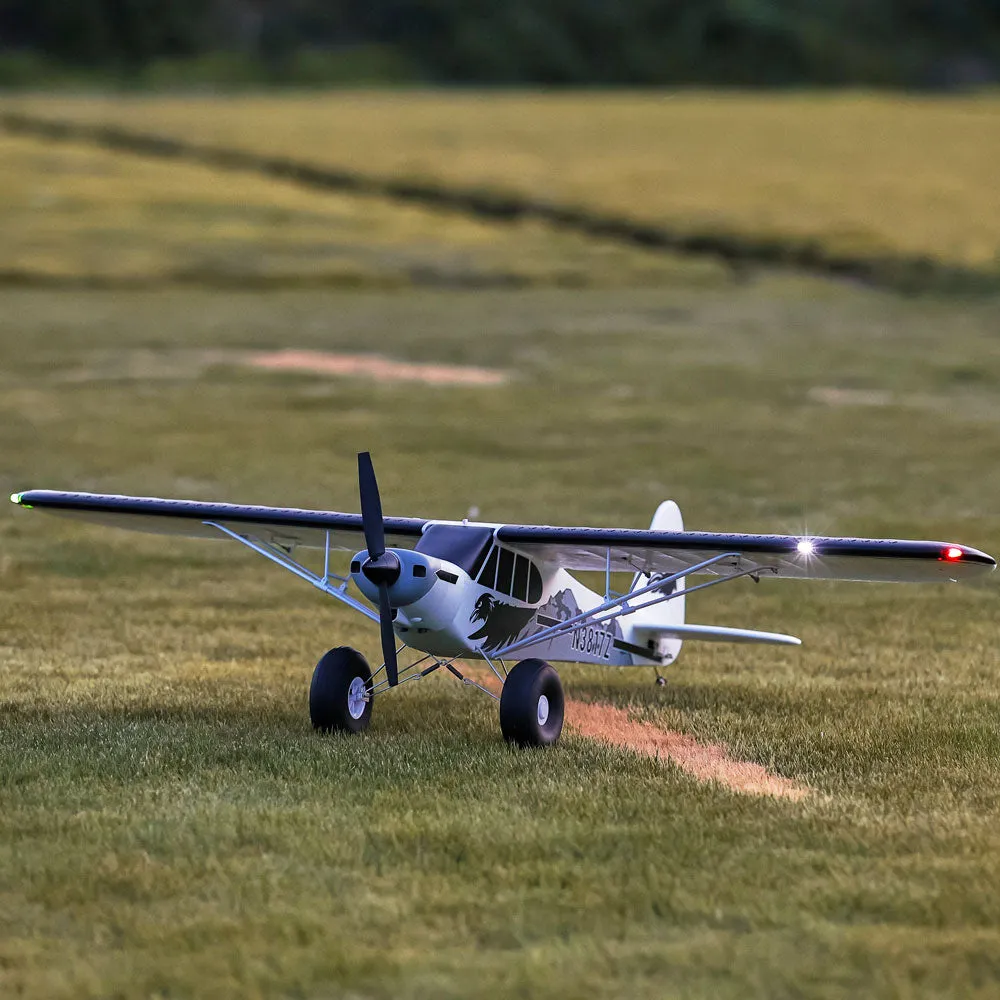
Flying model airplanes began as early as 1871 when Alphonse Penaud flew a rubber band powered flying machine called the Planophore in France. The model flew 181 feet in eleven seconds and is said to be the inspiration for the Wright brothers’ interest in the possibility of flight. Once the Wright brothers successfully flew from Kitty Hawk, model airplanes began making an appearance in earnest. However, it was not until the late 19th century that radio-controlled model aircraft began to gain popularity.
Hydrogen-filled airships that were electronically guided were flown as a music hall act using a simple spark-emitted radio signal that directed the airships to navigate around the auditoriums. In the 1920s and the 1930s, the British Royal Aircraft Establishment built and flew a pilotless monoplane and other radio-controlled aircraft were developed during WWII. In the United States, pioneers Clinton DeSoto and Ross Hull built and flew several large radio controlled gliders at public demonstrations in 1937. An early RC event during the 1937 National Aeromodeling Championships attracted just six participants and three entrants were unable to get their models off the ground. Still interest in RC airplane models continued and began gaining in popularity in the late 1940s and early 1950s.
Technology has brought many changes in radio-control capabilities. Model airplanes have come a long way since Penaud’s rubber-band powered flight in 1871. No one could have envisioned at that time that a radio-controlled model airplane would make a successful transatlantic flight or that the use of radio-controlled aircraft models would be the topic of debate surrounding federal rulings. Today radio-controlled aircraft range in size from micro helicopters to giant scale warbirds and endless variety in between. One thing is certain, thanks to the enthusiasm of those who already know the excitement of modeling radio-control aircraft and the efforts of these individuals as well as associations and organizations around the world, RC aircraft designs, and technology, will continue to bring exciting changes to this sport and attract new enthusiasts year after year.